Virgil Abloh
In this article, Design Legends for Shopify Plus explores what Abloh can teach us about familiarity, originality and attention.
In this article, Design Legends for Shopify Plus explores what Abloh can teach us about familiarity, originality and attention.
Ten years ago, I was chatting with a friend in a South London garden. It was hot and bright, and the BBQ smoke had us both in tears. He talked me through a script he was writing for Netflix, with a brief to create for the double screen. The audience might not be fully listening or watching, so the story had to be repeated and made impossible to miss. When I eventually watched it, well half watched and half listened, I noticed something. The TV program had been designed to capture my attention at key points with little interest in holding it throughout or keeping me engaged. It seems obvious now, but it wasn’t obvious then.
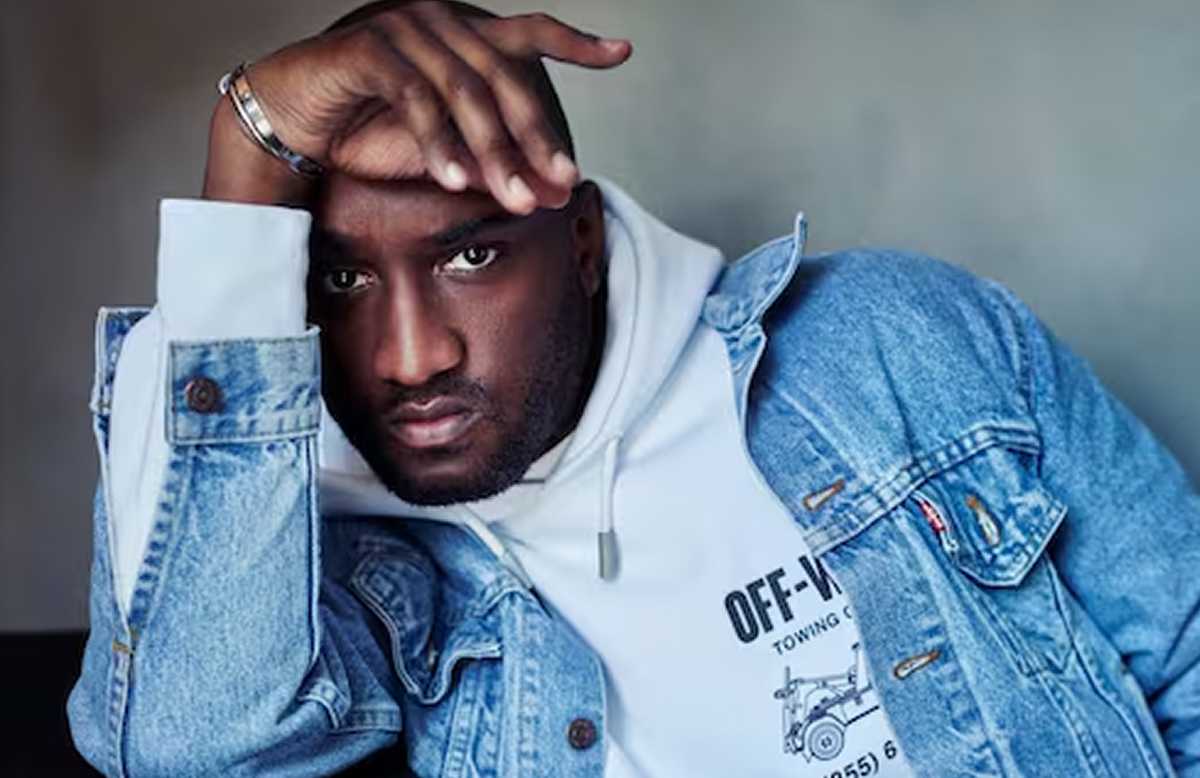
This week we look at Virgil Abloh. A designer of this exact moment of noise and shrinking attention spans. He understood the distracted audience before most did. He started with things people already recognized and engaged with such as a shoe, a logo or cultural reference, then shifted them a tiny amount to create curiosity. With a nod to Duchamp, the familiar became unfamiliar, but never so far that the connection broke.
The lesson for anyone building a DTC brand? You don't need to start from scratch to capture attention. The most powerful ideas often come from finding the one small change that shifts how people see something they already know.
In this article we explore what Virgil Abloh can teach us about unique perspective, culture, and the power of small shifts.
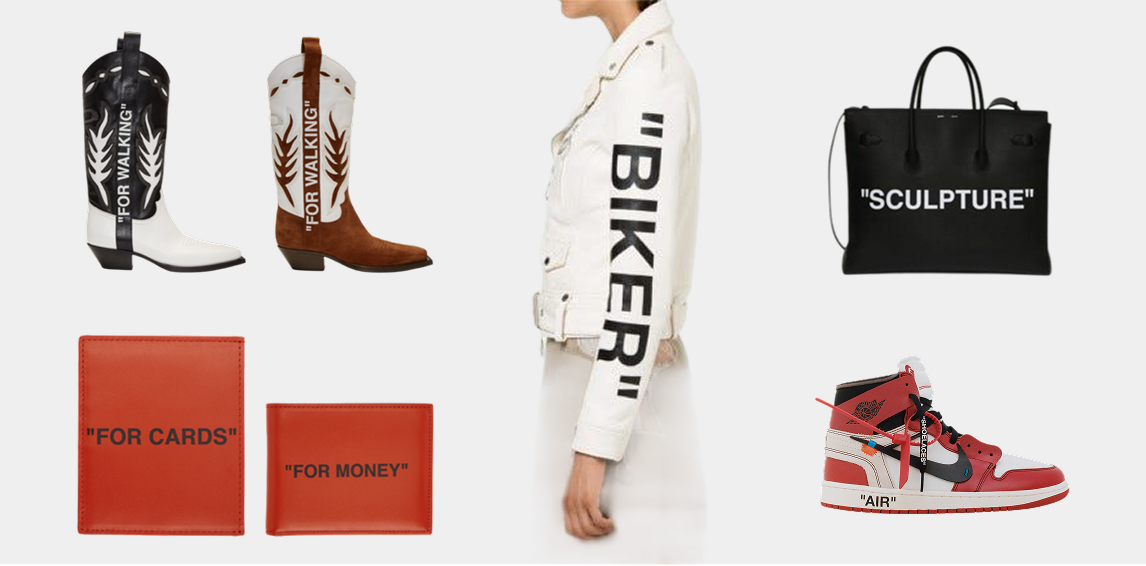
Virgil Abloh's most quoted philosophy on design is mathematical. Change something by 3% and it becomes new. Not a redesign but an edit. He proved it on The Nike Air Force 1. Same shoe, same silhouette, except for the parts he touched. He believed familiarity isn't the enemy of originality. Familiarity is the material, the fabric you work with.
Most Shopify stores define themselves with a template making themselves like all others. Abloh's approach would suggest you can keep the template, tweak it marginally, keeping what works but making small and deliberate edits combining with designed, ownable accents. The customer should recognize "store" instantly, then notice just as fast that this one's different.
Here are 5 Abloh ideas for your store.
1. The 3% rule
Don't rebuild the page, edit it. You may not need a new layout system. It may just take one or two deliberate changes to make it feel on brand for you. Small enough to stay familiar, distinct enough to be remembered.
2. Speak to the tourist and the purist at once
Abloh designed for two audiences simultaneously: the newcomer who wants something legible and cool fast, and the expert who wants depth and reference. A product page can do the same. Headline and hero image for the browser who wants it quick, but people often forget the detail and story further down for the customer who wants to go deep. Neither should feel like filler.
3. Show the work in progress
Abloh liked visible seams and process marks. These were signs a human made a decision here. A Shopify page doesn't have to be flawlessly sanitized to feel trustworthy. A little visible intentionality. Perhaps a production note, a candid photo, a "why we made this" line.
4. Take your customers on the journey and build the trust
Name things literally, then let the naming do the workPutting "SHOELACES" on shoelaces wasn't a joke, it forced people to actually look at something they'd stopped seeing. Plain, direct product copy can do the same thing a clever euphemism can't.
5. Don’t make people think.
Design is collaboration, not solo authorshipAbloh moved constantly between architecture, streetwear, luxury fashion, and music, and treated creativity as inherently collaborative. A store doesn't need one rigid internal "vision". Cross-pollinating with references outside ecommerce often produces something more interesting than staying purely inside category norms.
Virgil Abloh moved from architecture to Kanye West's creative director to founding Off-White to artistic director of Louis Vuitton menswear. The first American of African descent to hold that role at a French fashion house before his death in 2021 at 41.